Legal News
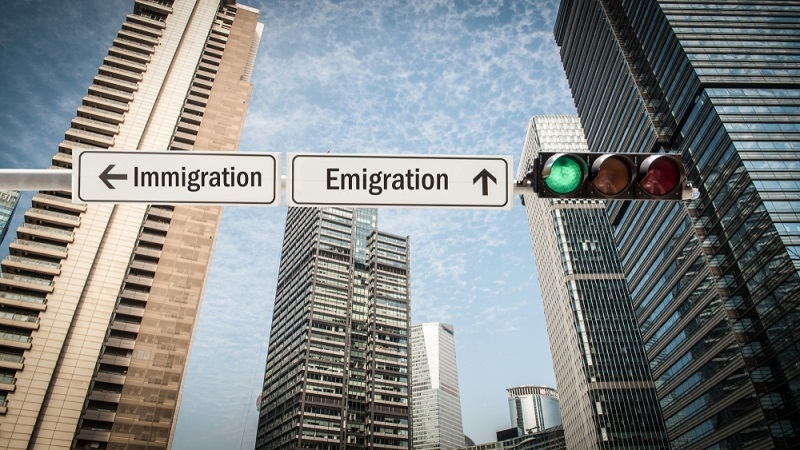

What Does Immigration vs Emigration Actually Mean
People often use immigration and emigration as if they mean the same thing, but they don’t. Both terms describe people moving from one country to another, yet the meaning changes depending on the point of view. That’s exactly where most of the confusion starts. The same person can be called an immigrant or an emigrant, depending on which country you’re talking about.
This confusion shows up more often than you’d expect, especially in forms, discussions, and general understanding of how movement between countries works. If you don’t get the distinction right, it’s easy to mix up basic concepts that are actually quite simple.
This guide breaks down immigration vs emigration, explains what immigration means and what emigration is, and clearly answers what the difference is between immigration and emigration using simple examples, key differences, and practical context so it actually makes sense.
What Is Immigration?
Immigration is when a person comes into a country to live there. In the US, that usually involves paperwork, approvals, and meeting certain conditions depending on why someone is moving.
When you use the word “immigration,” you’re talking about arrival. The focus is on the country receiving the person. In the context of immigration vs emigration, this is one side of the same movement.
Real-Life Examples of Immigration
- A student moves to the US for college and stays for a few years
- A developer gets hired by a US company and relocates
- A spouse joins their partner in the US through a family visa
From the US side, these are all immigration cases. That’s how the term is actually used in everyday situations.
What Is Emigration?
Emigration is when someone leaves their home country to settle somewhere else. The attention is on the exit, not the arrival. That’s what sets it apart in immigration vs emigration.
If a person leaves the US and builds a life in another country, that is emigration from the US.
Real-Life Examples of Emigration
- A US citizen moves to Canada for a long-term role
- Someone retires and shifts to Mexico for a slower pace of life
- A professional relocates to Europe for better opportunities
From the US point of view, all of this is emigration. From the other country’s point of view, it becomes immigration.
What is the Difference Between Immigration and Emigration?
This is where people usually want a straight answer.
Comparison Table
| Basis | Immigration | Emigration |
| Direction | Entering a country | Leaving a country |
| Focus | Where are you going | From where are you leaving |
| Perspective | Arrival | Departure |
| Example | Moving to the US | Leaving the US |
Direction
The core of immigration vs. emigration is direction. Immigration means coming in. Emigration means going out. Same move, different wording.
Usage
Immigration shows up more in laws, hiring, and official processes. Emigration comes up when talking about people leaving a country or moving abroad long-term.
Context
If someone asks what is the difference between immigration and emigration is, the answer depends on the direction of movement. That’s all there is to it.
You may also like: U.S. Citizenship and Immigration Services: Things To Know
Impact of Immigration and Emigration
Both have real effects, just on different sides.
Effects on Destination Countries
In the US, immigration connects directly to the workforce and economy.
- Companies fill roles that are hard to staff locally
- Different skills and backgrounds come into the market
- Cities and communities become more diverse
You’ll see this clearly in sectors like healthcare and tech.
Effects on Origin Countries
Emigration affects the place people leave behind.
- Skilled workers moving out can leave gaps
- Families receive money from relatives working abroad
- Some people return later with a better experience
It’s not always negative. A lot depends on how and why people are moving.
Legal Aspects of Immigration vs Emigration
This is where things get more serious.
In the US, immigration is tightly controlled, and the U.S. Immigration law changes can directly affect who is eligible to enter and under what conditions. People need approval before entering, and that process depends on why they’re coming.
The emigration process is not restricted in the same way, but it still comes with responsibilities. If you’re leaving the US, you may still need to deal with taxes, financial accounts, and reporting requirements.
Many people overlook this part of the emigration process, which can create problems later.
Common Misconceptions About Immigration and Emigration
A few things trip people up again and again.
They’re the same thing
They’re not. They describe the same move, but from different sides. That’s the key to understanding immigration vs emigration.
It depends on how far you move
Distance doesn’t matter. Crossing a border and changing where you live is what counts.
Emigration always means forever
Not always. Some people leave for years and come back. It depends on their plans and legal status.
Only immigration involves rules
Immigration is more regulated, but emigration still involves planning, especially around money and legal obligations.
Conclusion
Once you look at direction, the confusion around immigration vs emigration clears up. Immigration is about entering a country. Emigration is about leaving one. Same movement, different angle.
If you’re planning to move, understanding what is emigration and how the emigration process works helps you avoid unnecessary issues. It also makes dealing with forms and official terms much easier.
When someone asks what is the difference between immigration and emigration, the answer is simple. It depends on where you’re looking from.
FAQs
Why does the US focus more on immigration than emigration data?
The US tracks people entering the country very closely because it affects jobs, security, and population planning. There’s no strict system to track everyone who leaves, so emigration numbers are often estimated using surveys and indirect data. That’s why you’ll usually find more reliable information on immigration than emigration.
What should you sort out before starting the emigration process?
Before leaving, people usually deal with taxes, bank accounts, and access to money abroad. You may also need to check how your health insurance works outside the US and whether your documents are valid for long-term stay. These practical steps are often missed but matter during the emigration process.
Does living abroad change how immigration vs emigration is applied to you?
Yes, it can. If you live in another country for a long time, your status may shift based on local laws. You may be treated as a resident or even qualify for long-term permits. At the same time, your home country may still consider you an emigrant, especially for tax or legal purposes.
Current Topics
1. What are the Key Consumer Protection Laws You Should Know?
Quick TakeawayUnderstan...
2. How to Choose a Family Law Attorney for Legal Cases and Help
Key TakeawaysA family l...
3. Chapter 7 vs Chapter 11 Bankruptcy: What You Need to Know?
Key TakeawaysChapter 7 ...
4. Misdemeanor vs Felony: Key Differences and Penalties
Key TakeawaysMisdemeano...
5. Sole Proprietorship vs LLC: Choose the Right Business Setup
Key takeawaysIn decidin...
6. Chapter 7 vs Chapter 13: Which Bankruptcy Option is Right?
Key TakeawaysIt is impo...
7. Legal Separation vs Divorce: Understanding the Differences
Breaking up a household completely wr...
8. How to Write a Legal Will Your Family and Courts Will Honor
Key TakeawaysA will let...
9. How to Choose a Good Criminal Defense Lawyer: Step-by-Step
Hearing the click of handcuffs or rea...
10. Different Types of Lawyers: How to Find the Right Attorney?
Most people never think about hiring ...